CAD

The History Of Abha

Al-Ula, located in the northwestern region of Saudi Arabia, holds one of the richest historical tapestries in the Arabian Peninsula. Dating back over 2,000 years, it was once the capital of the ancient kingdoms of Dadan and Lihyan, both of which played significant roles in regional trade and politics. The city served as a vital stop along the Incense Route, connecting southern Arabia to Egypt and the Mediterranean. Archaeological discoveries in the region, such as inscriptions and artifacts, reveal its importance as a cultural and commercial hub. The Dadanite and Lihyanite tombs carved into red sandstone cliffs provide remarkable evidence of early urbanization and governance in Arabia. Later, during the 1st century CE, Al-Ula became part of the Nabataean Kingdom, whose influence extended from Petra in Jordan to Hegra (Madain Saleh) in Saudi Arabia. Hegra became the first UNESCO World Heritage Site in Saudi Arabia, celebrated for its well-preserved monumental tombs with intricate facades carved into massive rock formations. Under Roman influence following the Nabataean era, Al-Ula retained its status as a key trading post. Over the centuries, the city continued to serve travelers and pilgrims due to its strategic location. Its historical layers—from pre-Islamic kingdoms to the Islamic era—make Al-Ula a living archive of Arabia’s rich and evolving history.


Discover about Abha

Al-Ula is a breathtaking destination in northwestern Saudi Arabia, renowned for its dramatic landscapes, ancient ruins, and cultural significance. Surrounded by sandstone mountains and golden deserts, the region offers a rare blend of natural beauty and archaeological wonder. At its heart lies Hegra (Madain Saleh), a UNESCO World Heritage Site known for its rock-carved tombs and historical significance. The city is part of Saudi Arabia’s Vision 2030 initiative, aiming to position it as a global hub for heritage tourism and sustainable development. Al-Ula’s climate and geography make it ideal for outdoor adventures like hiking, rock climbing, and hot air balloon rides. Visitors are drawn not only by its history but also by modern attractions such as luxury resorts, art installations, and cultural festivals.

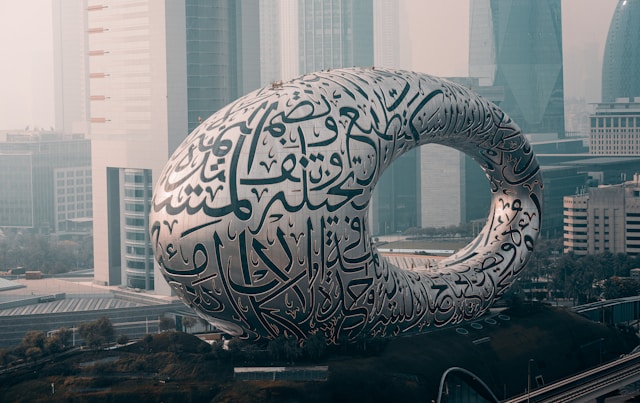
In recent years, Al-Ula has emerged as a symbol of Saudi Arabia’s shift toward cultural openness and international tourism. The Winter at Tantora Festival, held annually, showcases global music performances, traditional arts, and immersive desert experiences. Modern infrastructure has been developed carefully to preserve the natural and archaeological integrity of the area. The Maraya Concert Hall, a mirror-clad architectural marvel, reflects both the surrounding desert and the country's forward-thinking vision. Educational programs and archaeological missions are continuously expanding knowledge about the area’s ancient civilizations. Al-Ula today stands as a harmonious blend of past and future, offering travelers a deep, enriching connection to the heritage and spirit of Arabia.

Similar Activities

Most popular destinations around the world, from historical places to natural wonders.

activity image

Riyadh

t ...

te te
activity image

Al Bahah

Al-Ula is a breathtaking destination in northweste...

Sports Sports
activity image

Abha

Al-Ula is a breathtaking destination in northweste...

Nature & Culture Nature & Culture
activity image

Riyadh

Al-Ula is a breathtaking destination in northweste...

Religious Religious
activity image

Abha

Al-Ula is a breathtaking destination in northweste...

Nature & Culture Nature & Culture